The Best Over Range Microwave Exhaust Fan, Powerful & Silent
Looking for the best over-the-range microwave with an exhaust fan and light? Finding the ideal microwave with exhaust fan is pivotal for your kitchen. The best over-range microwave exhaust fan not only removes cooking odors but also provides adequate lighting for your stovetop. When Choose the best microwave with exhaust fan; consider factors like ventilation power, efficiency and lighting features. A top-tier over-the-range microwave with exhaust fan and light integrates seamlessly into your kitchen setup, offering convenience and functionality. Choose wisely to enjoy the best cooking experiences with the best over-the-range microwave exhaust fan.
Top Picks

Source: Amazon
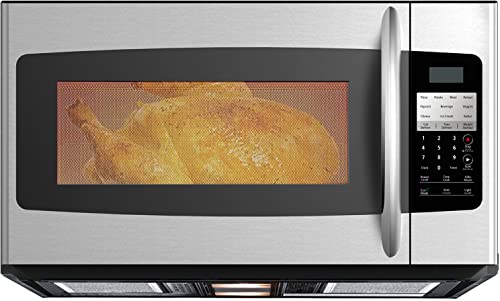
Best Venting Power: 30" Over the Range Microwave Oven
Pros:
-
Large 1.7 cu. ft. capacity
-
Strong 300 CFM ventilation
-
Intuitive one-touch controls
-
Ten power levels
Con:
-
Basic auto-cook variety
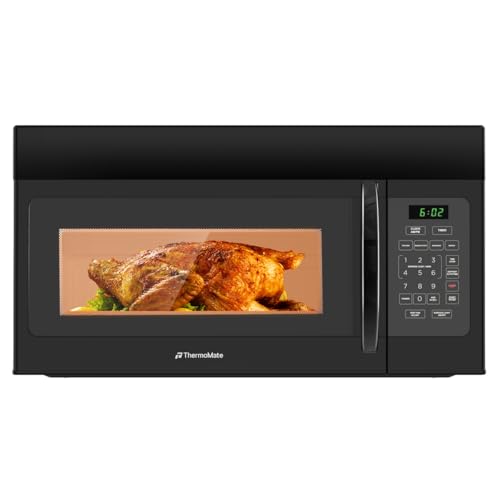
The Thermomate over-the-range microwave delivers a solid mix of capacity, power, and convenience for everyday cooking. Its 1.7-cubic-foot interior offers enough room for reheating large plates or preparing full meals, while the 1000-watt output and ten adjustable power levels provide reliable performance across different food types. One-touch options simplify common tasks, and the quick 30-second feature adds flexibility when you need rapid heating. The built-in safety lock adds peace of mind for households with young children.
Where this model stands out is its ventilation system. The two-speed fan reaches up to 300 CFM, making it effective for clearing smoke and steam during stovetop cooking. LED cooktop lighting improves visibility and usability in low-light conditions. The stainless steel exterior resists scratches and wipes clean easily, reducing maintenance over time. While the preset cooking programs are limited, the overall design prioritizes practical features and dependable performance for indoor kitchens.
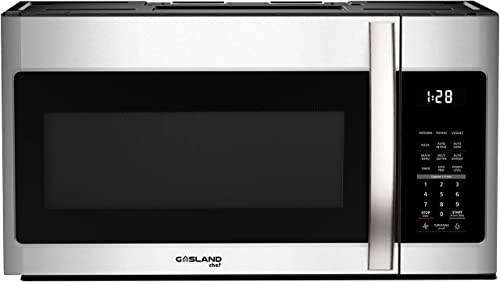
Best 400 CFM Venting: 30 Inch Over the Range Microwave Oven, GASLAND Chef
Pros:
-
Spacious 1.9 cu. ft. interior
-
Strong 400 CFM airflow
-
Nine one-touch presets
-
Two-stage cooking
Con:
-
Higher noise at max fan speed
The GASLAND over-the-range microwave offers a roomy 1.9-cubic-foot capacity, giving households plenty of space for large dishes and multi-item heating. Its 1000-watt output paired with eleven power levels supports precise control, and the two-stage cooking option is useful for recipes requiring varied heat cycles. One-touch start and a broad set of nine presets streamline daily use, while the quick 30-second add function keeps fast reheating simple.
Ventilation is a standout feature. The two-speed fan delivers up to 400 CFM, making it capable of clearing heavier smoke and odors during stovetop cooking while maintaining manageable noise levels. LED lighting brightens the cooktop, and the included rack expands usable space by creating two cooking tiers. The turntable on/off control adds flexibility for oddly shaped cookware, and the stainless steel finish contributes to a clean, cohesive kitchen look. Overall, it combines high airflow, strong cooking precision, and thoughtful capacity features suited for family kitchens.
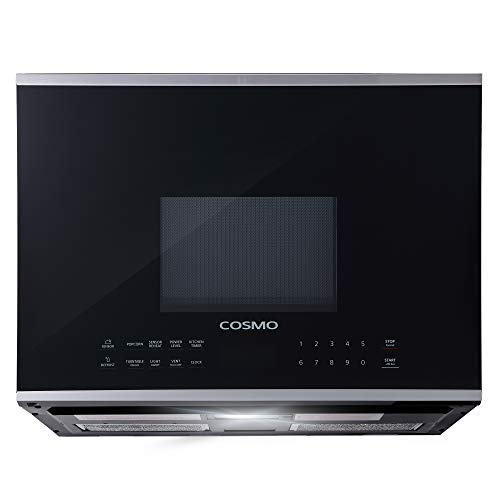
Best Sensor Reheat: COSMO COS-2413ORM1SS Over the Range Microwave Oven
Pros:
-
Reliable sensor cooking
-
Compact 1.34 cu. ft. footprint
-
Integrated range hood
-
Ten power levels
Con:
-
Smaller interior capacity
The COSMO over-the-range microwave focuses on efficient performance in a more compact form. Its 1.34-cubic-foot interior suits everyday heating and cooking tasks without taking up excess space, making it a practical fit for smaller kitchens or RV setups. With 1000 watts and ten power levels, it offers steady control for melting, defrosting, and general cooking needs. Touch presets simplify common tasks, and the sensor cook and reheat modes help prevent overcooking by automatically shutting off when food reaches ideal temperature.
The built-in ventilation system pulls smoke, moisture, and odors away from the cooktop, improving overall kitchen comfort. A 13.6-inch turntable provides enough room for medium-size dishes, while the stainless steel exterior blends durability with a modern look. The included installation kit and filters add convenience for setup and maintenance. While the interior capacity is smaller than many over-the-range models, the combination of sensor features, compact dimensions, and integrated hood performance makes it a strong option for tight spaces.
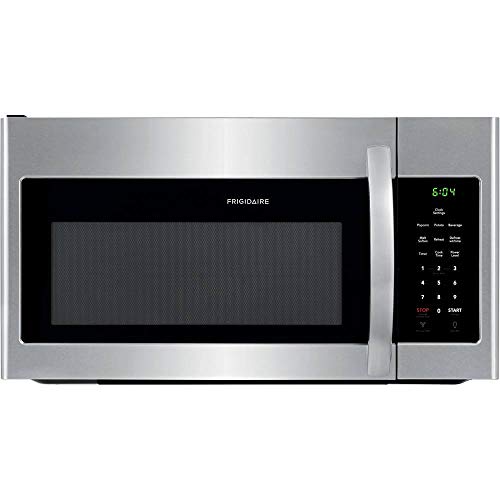
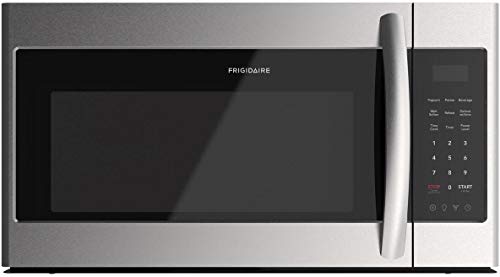
Best Fits-More Capacity: FRIGIDAIRE FFMV1846VS 30" Stainless Steel Over The Range Microwave
Pros:
-
Spacious 1.8 cu. ft. interior
-
Bright LED cooktop lighting
-
Zero-clearance door
-
Large 12.5" turntable
Con:
-
Basic preset selection
The Frigidaire over-the-range microwave emphasizes capacity and visibility, making it a practical choice for busy home kitchens. Its 1.8-cubic-foot interior accommodates larger cookware, including a standard 13-by-9-inch baking dish, giving users more flexibility for family-size meals. With 1000 watts of power and simple one-touch options, everyday tasks like reheating, making popcorn, or adding 30 seconds stay quick and intuitive. Interior LED lighting remains on while cooking, allowing clear monitoring without opening the door.
Usability extends to its design. The zero-clearance door opens fully at a right angle without hitting nearby walls, which helps when space is tight. The two-speed ventilation system provides dependable airflow for reducing steam and odors during stovetop use. A large 12.5-inch turntable supports even heating for bulkier dishes, and the stainless steel build maintains a durable, modern appearance. While the presets are straightforward, the combination of generous space, bright lighting, and thoughtful door engineering adds strong everyday convenience.
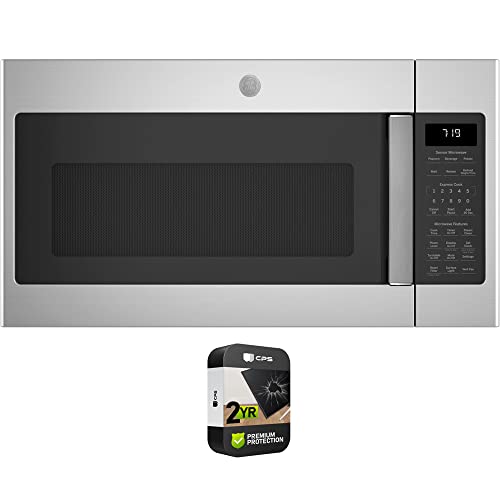
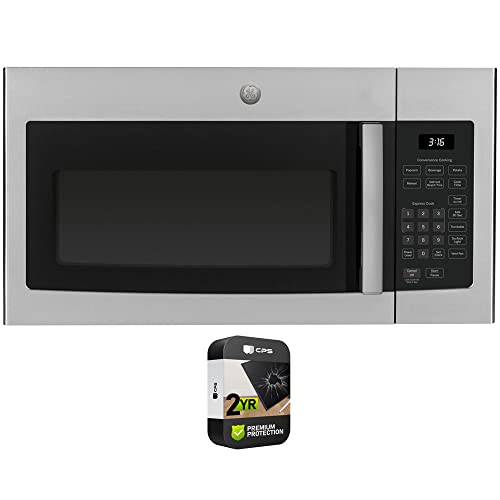
Best Compact Build: GE JVM7195SKSS 1.9 Cu. Ft. Over-the-Range Sensor Microwave Oven
Pros:
-
Stainless steel interior
-
Lightweight for OTR unit
-
Simple defrost function
-
Clean, minimal design
Con:
-
Very limited capacity
The GE E99GEJVM7195SKSS is built for users who need an over-the-range microwave in a compact, streamlined format. Its stainless steel construction inside and out provides durability and easy cleaning, while the minimal control setup focuses on straightforward heating and defrosting. Weighing only 55 pounds, the unit is lighter than many full-size OTR models, which makes installation easier in tight or upper-cabinet spaces.
Although its internal capacity is smaller than standard over-the-range options, it handles basic reheating and defrost tasks reliably. The included turntable ensures even rotation, and the stainless steel finish blends well with most kitchen designs. With a simple feature set and an emphasis on compact practicality, it works best for users prioritizing space efficiency and essential microwave functions rather than advanced presets or large cookware compatibility.
- KR Score9.9
Kitchensradar.com established a ranking system called KR Score. KR Score is unaffected or unrelated to any websites run by manufacturers or sales agents. Learn more
- Brandthermomate
- KR Score9.6
Kitchensradar.com established a ranking system called KR Score. KR Score is unaffected or unrelated to any websites run by manufacturers or sales agents. Learn more
- BrandGASLAND
- KR Score9.5
Kitchensradar.com established a ranking system called KR Score. KR Score is unaffected or unrelated to any websites run by manufacturers or sales agents. Learn more
- BrandCOSMO
- KR Score9.3
Kitchensradar.com established a ranking system called KR Score. KR Score is unaffected or unrelated to any websites run by manufacturers or sales agents. Learn more
- BrandFrigidaire
- KR Score9.0
Kitchensradar.com established a ranking system called KR Score. KR Score is unaffected or unrelated to any websites run by manufacturers or sales agents. Learn more
- BrandGE

- KR Score8.8
Kitchensradar.com established a ranking system called KR Score. KR Score is unaffected or unrelated to any websites run by manufacturers or sales agents. Learn more
- BrandFarberware
- KR Score8.7
Kitchensradar.com established a ranking system called KR Score. KR Score is unaffected or unrelated to any websites run by manufacturers or sales agents. Learn more
- BrandFrigidaire

- KR Score8.5
Kitchensradar.com established a ranking system called KR Score. KR Score is unaffected or unrelated to any websites run by manufacturers or sales agents. Learn more
- BrandMidea

- KR Score8.2
Kitchensradar.com established a ranking system called KR Score. KR Score is unaffected or unrelated to any websites run by manufacturers or sales agents. Learn more
- BrandBLACK+DECKER
- KR Score8.0
Kitchensradar.com established a ranking system called KR Score. KR Score is unaffected or unrelated to any websites run by manufacturers or sales agents. Learn more
- BrandGE
Last update on 2025-11-28 / Affiliate links / Images, Product Titles, and Product Highlights from Amazon Product Advertising API
When selecting a microwave ventilation system that sits above your range, it is important to thoughtfully consider various elements to guarantee ideal function and efficiency. This type of appliance seamlessly bonds microwave capabilities with ventilation, yet picking the appropriate one demands cautious assessment of multiple standards. Let us explore the important aspects to reflect on when choosing an over-the-range microwave exhaust fan for your cooking area.
Ventilation Power and Capacity
The main purpose of an above-the-stove microwave ventilation system is to efficiently extract smoke, steam, and smells produced by cooking from your kitchen space. Be sure to select options with suitable airflow strength evaluated in cubic feet per minute (CFM). Higher CFM scores demonstrate more powerful suction and swifter atmosphere flow, perfect for more expansive cooking areas or those with frequent meal preparation needs.

Size and Compatibility
It is crucial to confirm that the measurements of the above-stove microwave exhaust fan correspond with the area over your range. Take the width and height dimensions to guarantee a problem-free fit. Also, think about the appearance and visuals to make certain it blends well with your kitchen's design and decor without clashing.
Fan Speed and Control Options
When selecting a range hood, we recommend choosing one with adjustable fan speeds. This feature provides flexibility to tailor the ventilation level to specific cooking tasks. A gentle simmer may require minimal air flow, while searing calls for maximum extraction. Look for models with intuitive controls like touchscreens or buttons for simple operation. Adjustable settings help you suit the ventilation intensity to each recipe from light to heavy cooking.
Noise Level
A calm microwave exhaust fan installed above the range improves kitchen comfort, particularly in open floor plans where noise can disrupt conversations in nearby rooms. Seek out versions including sound-muting aspects or tranquil functioning modes to decrease noise without diminishing venting effectiveness.
Ease of Maintenance
It is recommended to select a unit that has easily accessible and simple to clean filters. This will help sustain optimal airflow and functional performance. Having removable filters that can be safely cleaned in the dishwasher simplifies the filter cleaning process and guarantees effective removal of grease and odors. You may also want to look for models with filter replacement indicators, as these will prompt needed maintenance at the right time.
Additional Features and Technologies
Let us investigate innovative functions and technologies that boost practicality and usability. These could encompass integrated LED illumination for improved discernment over the stove, sensor-driven cooking settings for exact temperature and ventilation management, and clever interconnectivity for distant tracking and manipulation through cell phone programs.
Energy Efficiency
When selecting an overhead microwave exhaust fan, it is prudent to opt for energy-efficient models that carry the ENERGY STAR certification. These fans will minimize electricity usage and lower your utility bills. Give preference to units equipped with energy-saving modes or automatic shutoff functions. These characteristics will optimize energy use during periods when the fan is not actively venting smoke and fumes from cooking. Choosing a certified energy-efficient exhaust fan with automatic features is a wise choice for both your budget and the environment.
Brand Reputation and Warranty
When shopping for new kitchen appliances, focus your search on brands that have a strong reputation for creating long-lasting products you can depend on. Look for models with robust warranty protection to protect your purchase from any defects or issues down the road. Extensive coverage offers reassurance that the manufacturer will stand behind their product, repairing or replacing it if problems arise within the covered time frame.
The above-the-stove microwave ventilation system proves itself as a versatile and indispensable addition to any cooking area. Commonly overlooked, this multifaceted device provides a wealth of advantages that extend beyond its main purpose of venting prepared scents and fumes. Let us explore the benefits that make the above-the-stove microwave ventilation system an essential characteristic for any discerning homeowner.
Efficient Odor and Smoke Removal
A key advantage of an excellent microwave ventilation system is its effectiveness in removing cooking smells and smoke rapidly. By swiftly drawing in airborne particles and directing them outdoors, the exhaust fan guarantees a fresh, clean kitchen free from lingering cooking aromas. With multiple sentence structures and a variety of word choices, this passage clearly explains one benefit of an overhead microwave fan while maintaining factuality and avoiding exaggeration.
Improved Air Quality
The exhaust fan does more than just get rid of bad smells. It has an important job in keeping the air inside clean and safe to breathe. When you cook, things like grease, steam and other particles get into the air. An exhaust fan helps carry these things outside. This protects people living in the home, especially those with allergies or breathing problems. It also protects items inside like furniture from getting dirty or damaged from the cooking fumes and moisture. Having an exhaust fan that works properly makes a big difference in the quality of the indoor air in your kitchen and throughout your entire home.
Prevention of Moisture Build-Up
When preparing meals involving steam, like cooking pasta or boiling vegetables, excess moisture can accumulate in the kitchen. The microwave exhaust fan above the stove reliably removes this moisture threat by quickly taking out steam and condensation. This protects against mold, damage to the space, and potential health issues related to a damp area. Ensuring proper ventilation is an important part of maintaining a safe, comfortable cooking space.
Temperature Regulation
One key benefit of the exhaust fan is how it helps control temperatures in the kitchen. By quickly pulling out warm air and excess heat from appliances, it aids in keeping a pleasant and suitable atmosphere for food preparation, particularly on long cooking projects or in areas with restricted airflow.
Enhanced Kitchen Aesthetics
These appliances that remove smoke and odors above the stove contribute not only practical benefits but also visual appeal. Kitchen exhaust fans now come in streamlined, contemporary styles that complement the decor through integration while maximizing usefulness. Their designs allow seamless inclusion into the kitchen environment, lending refinement alongside optimized operation.
Space Optimization
Through the integration of microwave and exhaust capabilities into a single appliance, over-range microwave ventilation systems provide considerable space-saving benefits, especially for smaller kitchen configurations. The amalgamation of these functions into one unit optimizes usable counter and wall area while also streamlining the visual flow and functionality of the kitchen design overall.
Convenience and Ease of Use
Microwave exhaust fans created for heavy-duty use were engineered with simplicity and practicality at the forefront. Featuring straightforward controls and customizable configurations to suit your needs, these exhaust fans smoothly coordinate with your cooking range. Effortless activation and access means these exhaust fans seamlessly fit into any kitchen workflow. Whether a seasoned chef or casual home cook, their integrated design makes them a go-to solution for managing smoke and vapors.
Read More:
- 10 Best Front Venting Microwaves, Tested By Experts
- 10 Best Microwave Safe Containers, Top Reviews
- 10 Best Built In Microwave of 2026
Over Range Microwave Exhaust Fan FAQs
Do over the range microwaves have exhaust fans?
Yes, most over the range microwaves come equipped with exhaust fans to remove smoke, steam, and cooking odors from the stovetop area.
Does an over the range microwave need to be vented outside?
It is not mandatory, but venting an over the range microwave outside is recommended for optimal ventilation and air quality in the kitchen. However, some models also offer recirculating venting options if outdoor venting is not feasible.
Is 400 CFM enough for over the range microwave?
A 400 CFM (cubic feet per minute) ventilation system is typically sufficient for most standard cooking tasks in a residential kitchen. However, the adequacy of the CFM depends on the size of your kitchen, the type of cooking you do, and other factors. For larger kitchens or heavy cooking, a higher CFM rating might be more suitable.
Where is the vent fan on an over the range microwave?
The vent fan on an over the range microwave is usually located underneath the microwave unit, at the back or the bottom. It is designed to pull air and cooking fumes from the stovetop area and expel them either outside or through a charcoal filter for recirculation.
How do I know if my microwave is vented outside?
You can check the installation manual or specifications of your microwave to determine if it is vented outside. Additionally, if your microwave has ductwork leading from the unit to the exterior of your home, it is likely vented outside. Another way to tell is by observing whether there is a vent cap or exhaust hood on the exterior of your house corresponding to the location of your microwave.


Top 10 the Best Stand Mixer Under 200
The Best Small Microwave of 2025, High Performance

Unveiling 10 the Best Luxury Microwave
10 Best Built In Microwave of 2026

Best Large Capacity Food Processor: An Expert Guide

The 10 Best Affordable Dutch Oven of 2025 for Your Kitchen
An Exhaustive Guide to the Best Remote Oven Thermometer

The Best Vintage Ice Cream Maker, Expert Picks