10 Best Built In Microwave of 2026
Looking for the best built in microwave can feel overwhelming at first. Built-in models promise a cleaner kitchen layout, seamless cabinetry integration, and modern cooking performance. But not all options deliver the same long-term value.
Here’s the good news.
When chosen carefully, a built-in microwave can upgrade both functionality and aesthetics. The key is knowing what truly matters beyond brand names and surface features.
So let’s break it down.
This review goes deeper than specs, helping you understand reliability, materials, technology, and real-world trade-offs—before you commit.
Top Picks

Source: Amazon
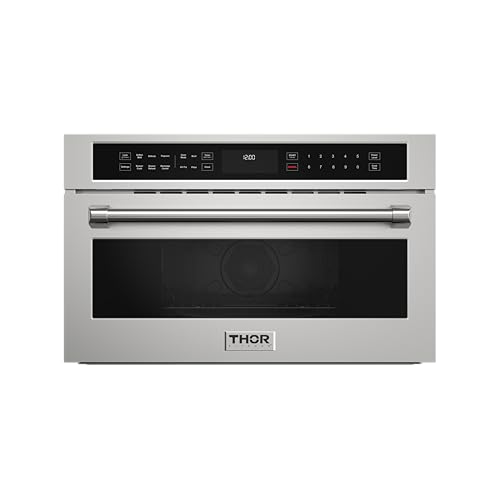
Best Convection: Thor Kitchen 30 Inch Built-In Air Fry Microwave Oven
Pros
- True Convection Cooking
- Sensor Cooking Technology
- Versatile Cooking Modes
- Large Built-In Capacity
Cons
- Moderate Power Output
The Thor Kitchen built-in microwave stands out for combining true convection performance with everyday microwave convenience. Its sensor cooking technology automatically adjusts time and power, helping reduce guesswork and deliver consistent results across a wide range of foods. The added flexibility of air frying, broiling, and baking allows it to replace multiple appliances, making it especially appealing for modern kitchens with limited space.
With a 1.6 cubic foot interior, it easily accommodates larger dishes, while the stainless steel construction and touch LCD display give it a clean, professional look. The control panel lock adds a practical safety layer for households, and the even heat distribution ensures reliable cooking performance. Overall, this model is well-suited for homeowners who want a built-in microwave that performs beyond basic reheating.
Best Smart Defrost: COSMO COS-MWD3012NHSS 30 in. Haven Collection 1.2 cu. ft.
Pros
- 1000-Watt Power Output
- Precise Power Levels
- Convenient Auto Presets
- Built-In Eco Mode
Cons
-
Smaller Interior Capacity
The COSMO built-in microwave is designed for users who value control, efficiency, and everyday convenience. With 1000 watts of power and ten adjustable power levels, it delivers reliable performance for common cooking and reheating tasks. The preset functions for melting, softening, popcorn, and beverages simplify routine use, while smart defrosting options based on time or weight help maintain food texture.
Its stainless steel exterior blends well with modern kitchens, and the eco mode reduces standby energy consumption. Although the 1.2 cubic foot capacity is more compact than some competitors, it remains well-suited for apartments and smaller households. Overall, this model offers a practical balance of power, usability, and efficiency in a clean built-in design.
Best All-in-One: AAOBOSI 24 Inch Built in Microwave Convection Oven
Pros
- Air Fry + Convection Combo
- Large 1.6 Cu. Ft. Capacity
- Extensive Cooking Presets
- Premium Accessory Set
Cons
-
Requires 20A Outlet
The AAOBOSI built-in microwave is designed as a true multi-function cooking system rather than a standard microwave. Combining microwave, convection oven, air fryer, and broiler capabilities, it offers exceptional versatility for users who want one appliance to handle a wide range of cooking tasks. With 11 power levels, sensor cooking, and over 30 specialized modes, it provides precise control for everything from reheating to full meal preparation.
The spacious 1.6 cubic foot interior easily supports family-sized dishes, while the stainless steel build and glass touch controls give it a modern, high-end feel. Multiple included accessories further expand cooking options, allowing simultaneous or specialized cooking methods. While installation requires a dedicated 20-amp outlet, this model delivers strong performance and flexibility for kitchens seeking an advanced built-in solution.
Best Drawer Design: ZLINE 24" 1.2 cu. ft. Built-in Microwave Drawer
Pros:
- Undercounter Space Saving
- Auto-Touch Open/Close
- Top-Loading Access
- Intuitive Angled Controls
Cons:
-
Lower Internal Height
The Z Line Kitchen and Bath microwave drawer is built for kitchens where ergonomics and clean design matter most. Its undercounter installation frees up valuable countertop space, while the top-loading drawer layout makes it easier to handle hot or heavy dishes with less risk of spills. The auto-touch open and close function adds a premium feel and improves everyday convenience.
With 1000 watts of power and 11 power levels, it delivers dependable performance for reheating, defrosting, and common cooking tasks. The angled touch control panel improves visibility and ease of use, even in lower installations. While the overall capacity is sufficient for most dishes, taller cookware may be limited. Overall, this model is an excellent choice for modern kitchens seeking a sleek, drawer-style built-in microwave.
Best Quiet Convection: Gasland 24 Inch Built in microwave oven, Microwave and Convection
Pros:
- Microwave + Convection Combo
- Even 3D Heat Distribution
- Soft-Close Quiet Door
- Large 1.6 Cu. Ft. Capacity
Cons:
-
Limited Advanced Presets
The GASLAND built-in microwave is designed for users who want convection versatility without sacrificing everyday microwave convenience. Its dual microwave and convection system handles everything from reheating to broiling, making it suitable for a wide range of meals. The 3D convection heating circulates hot air evenly, helping eliminate cold spots and shorten cooking times.
The soft-close door adds a premium, quiet operation that stands out in busy households, while the cool-door technology improves safety during use. With one-touch cooking programs and a spacious 1.6 cubic foot interior, it comfortably supports family-sized dishes. Overall, this model offers a strong balance of performance, safety, and quiet operation for a modern built-in kitchen setup.
- KR Score9.9
Kitchensradar.com established a ranking system called KR Score. KR Score is unaffected or unrelated to any websites run by manufacturers or sales agents. Learn more
- BrandThor Kitchen

- KR Score9.8
Kitchensradar.com established a ranking system called KR Score. KR Score is unaffected or unrelated to any websites run by manufacturers or sales agents. Learn more
- BrandCOSMO

- KR Score9.6
Kitchensradar.com established a ranking system called KR Score. KR Score is unaffected or unrelated to any websites run by manufacturers or sales agents. Learn more
- BrandAAOBOSI

- KR Score9.3
Kitchensradar.com established a ranking system called KR Score. KR Score is unaffected or unrelated to any websites run by manufacturers or sales agents. Learn more
- BrandZ Line Kitchen and Bath

- KR Score9.2
Kitchensradar.com established a ranking system called KR Score. KR Score is unaffected or unrelated to any websites run by manufacturers or sales agents. Learn more
- BrandGASLAND
- KR Score9.0
Kitchensradar.com established a ranking system called KR Score. KR Score is unaffected or unrelated to any websites run by manufacturers or sales agents. Learn more
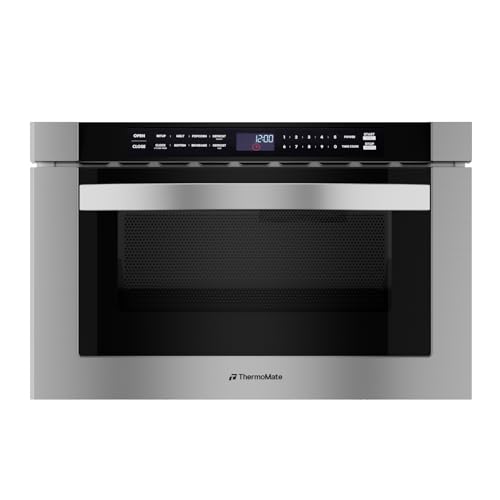
- Brandthermomate

- KR Score8.9
Kitchensradar.com established a ranking system called KR Score. KR Score is unaffected or unrelated to any websites run by manufacturers or sales agents. Learn more
- BrandPanasonic

- KR Score8.7
Kitchensradar.com established a ranking system called KR Score. KR Score is unaffected or unrelated to any websites run by manufacturers or sales agents. Learn more
- BrandZephyr
- KR Score8.6
Kitchensradar.com established a ranking system called KR Score. KR Score is unaffected or unrelated to any websites run by manufacturers or sales agents. Learn more
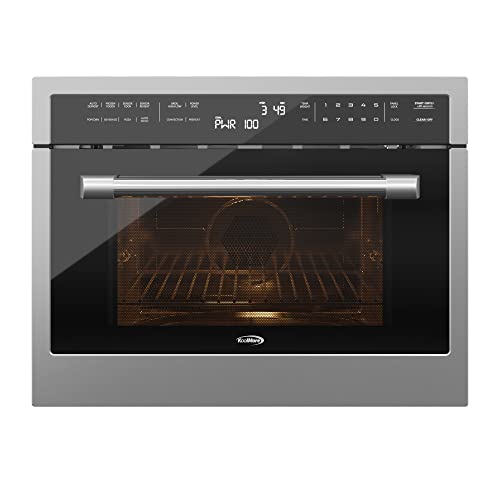
- BrandKoolMore
- KR Score8.4
Kitchensradar.com established a ranking system called KR Score. KR Score is unaffected or unrelated to any websites run by manufacturers or sales agents. Learn more
- BrandEuker
Last update on 2025-12-13 / Affiliate links / Images, Product Titles, and Product Highlights from Amazon Product Advertising API
Types of Built-In Microwaves
Built-in microwaves are not one-size-fits-all. Different designs serve different cooking habits, kitchen layouts, and performance expectations. Understanding the main types helps buyers choose a model that fits both daily use and long-term needs.
Below is a clear breakdown of the most common built-in microwave types found in modern kitchens.
1. Solo Built-In Microwave
A solo built-in microwave is the most basic option. It focuses solely on microwave heating without added cooking modes.
This type is ideal for reheating leftovers, defrosting frozen foods, and simple cooking tasks. Its straightforward design also makes it the most affordable built-in option.
Solo models work best for households that already rely on ovens or cooktops for most cooking.
2. Grill Built-In Microwave
Grill built-in microwaves add a heating element for browning and crisping. This allows users to grill meats, toast sandwiches, or add a golden finish to dishes.
Compared to solo models, grill microwaves offer more flexibility. However, they still do not replace a full oven for baking or roasting.
They are well-suited for users who want occasional grilling without adding another appliance.
3. Convection Built-In Microwave
Convection built-in microwaves combine microwave power with a convection fan and heating element. This setup enables baking, roasting, and more even cooking.
These models can handle cakes, pizzas, roasted meats, and casseroles. In many kitchens, they reduce the need for a separate oven.
Convection microwaves are ideal for users who want maximum versatility in a compact built-in format.
4. Speed Oven Microwave
Speed ovens are premium built-in appliances that combine microwave, convection, and sometimes steam cooking. They are designed to cook food faster while maintaining texture and flavor.
This type is popular in high-end kitchens where time efficiency matters. Speed ovens can replace multiple appliances in one built-in unit.
They come at a higher price point but offer advanced performance and precision.
5. Drawer-Style Built-In Microwave
Drawer microwaves open from the top rather than the side. They are typically installed below countertops or kitchen islands.
This design improves accessibility and reduces the risk of spills when lifting hot dishes. It also works well in kitchens without upper cabinets.
Drawer-style models are chosen more for ergonomics and design than for additional cooking features.
6. Combination Microwave Oven
Combination built-in microwaves integrate microwave, grill, and convection functions into a single unit. They provide flexible cooking options without taking extra space.
This type suits smaller kitchens where appliance consolidation is important. It also appeals to users who want multiple cooking methods in one built-in appliance.
Combination models vary widely in controls, presets, and power levels.
How to Choose a Built-In Microwave for Your Home
Choosing a built-in microwave is not just about appearance. The right model should match your cooking habits, kitchen layout, and long-term needs. A well-chosen unit improves daily convenience while maintaining a clean, integrated kitchen design.
Here’s how to make a smart, informed decision.
Consider Your Cooking Needs
Start by evaluating how you plan to use the microwave. Some households only reheat meals and defrost food, while others cook complete dishes daily.
If your usage is basic, a solo microwave may be sufficient. For baking, roasting, or grilling, a convection or combination model offers greater flexibility.
Understanding your routine helps narrow the options quickly.
Choose the Right Microwave Type
Built-in microwaves come in several types, including solo, grill, convection, speed oven, and drawer-style models. Each type serves a different purpose and cooking style.
Convection and combination units are best for users who want oven-like performance. Drawer-style microwaves focus more on accessibility and design than advanced cooking modes.
Selecting the right type prevents overpaying for features you may not use.
Measure the Installation Space Carefully
Built-in microwaves must fit precise cabinet cutouts. Even small measurement errors can cause installation problems.
Check the width, height, depth, and required ventilation clearances. Also confirm whether the microwave is designed for built-in installation rather than countertop conversion.
Accurate measurements ensure a seamless, professional-looking fit.
Evaluate Capacity and Interior Size
Capacity affects what you can cook comfortably. Smaller units work for singles or couples, while families benefit from larger interiors.
Consider the size of plates, bowls, and cookware you use most often. Interior layout and turntable design also impact usability, not just total cubic capacity.
Balance size with available cabinet space to avoid overcrowding.
Pay Attention to Power and Performance
Microwave wattage influences cooking speed and consistency. Higher wattage generally means faster heating and more even results.
Most built-in microwaves range between 900 and 1,200 watts. For frequent cooking or convection use, higher power levels deliver better performance.
Consistent power matters more than maximum wattage alone.
Look at Control Features and Presets
Modern built-in microwaves offer touch controls, sensor cooking, auto presets, and memory functions. These features simplify cooking and reduce guesswork.
Sensor cooking adjusts time and power automatically, which improves results for common foods. Clear displays and intuitive controls also enhance daily use.
Choose features that genuinely improve convenience rather than adding complexity.
Match the Design to Your Kitchen
Built-in microwaves are visible appliances, so design matters. Stainless steel finishes are common, but handle styles, trim kits, and display placement vary.
Consider how the microwave aligns with your oven, cooktop, and cabinetry. A cohesive look adds value to the overall kitchen design.
Aesthetic compatibility should complement, not override, functional needs.
Check Safety and Accessibility
Safety features are especially important for families. Child locks, cool-touch doors, and automatic shutoff functions provide added peace of mind.
Installation height also affects accessibility. Drawer-style or under-counter models reduce lifting and minimize spill risks.
Think about who will use the microwave most often.
Balance Budget and Long-Term Value
Built-in microwaves cost more than countertop models due to installation and design. Higher-priced models often include better build quality, quieter operation, and longer warranties.
Set a realistic budget, but focus on durability and performance rather than the lowest price. A reliable unit delivers better value over time.
Built-in microwaves are a smart choice for homeowners who prioritize design and space efficiency. They free up counter space and create a streamlined, custom look that pairs well with modern kitchens.
However, installation is more complex than countertop models. You’ll need precise cabinet measurements and professional installation, which can increase upfront costs. Over time, though, many users find the convenience and visual appeal worth the investment.
What are the most reliable microwave brands?
Reliability often comes down to build quality, component consistency, and customer support. Brands like Panasonic, Bosch, GE Profile, and KitchenAid are frequently recognized for dependable performance and long service life.
Panasonic stands out for inverter technology, while Bosch is known for durability and quiet operation. GE Profile offers strong value with widely available replacement parts. KitchenAid focuses on premium construction and consistent heating results.
Which material is best for a microwave oven?
Stainless steel is widely considered the best material for microwave construction. It resists corrosion, handles high heat well, and is easy to clean, especially in built-in installations.
For interiors, stainless steel outperforms painted steel or enamel coatings. It reflects heat more evenly and is less likely to chip or stain over time. This makes it ideal for frequent use and long-term durability.
Which is better, an inverter or a convection microwave?
Inverter microwaves excel at precise power control. Instead of cycling on and off, they deliver consistent energy, resulting in more even heating and better defrosting.
Convection microwaves, on the other hand, add baking and roasting capabilities. They’re better for users who want multifunction cooking in one appliance. The better option depends on usage—precision reheating versus expanded cooking versatility.
What are the disadvantages of a convection microwave?
Convection microwaves are generally more expensive than standard or inverter-only models. They also require more learning time, as cooking settings are less intuitive for casual users.
Additionally, convection features increase installation and maintenance complexity. The appliance may take longer to preheat, and not all foods benefit from convection cooking. For users who mainly reheat or defrost, the extra features may go unused.
Related Posts:
The Best Small Microwave of 2026, High Performance
The best over-the-range microwave of 2026
10 Best Microwave Drawer of 2026
The Best Microwave With Powerful Exhaust Fan, Buying Guide
Choosing the best built in microwave is about aligning performance, reliability, and kitchen design with your actual cooking habits. Built-in models offer undeniable aesthetic and space-saving benefits, but the right technology and materials make the real difference over time.
By understanding brand reliability, construction quality, and feature trade-offs, you can make a confident, long-term investment. A well-chosen built-in microwave doesn’t just fit your kitchen—it fits how you cook every day.


The Best Toaster Air Fryer Oven – Tried, Tested and Reviewed

The Best Large Air Fryer Toaster Oven, Every Budget
Unveiling 10 the Best Toaster Oven With Air Fryer
The Best French Door Air Fryer Toaster Oven, Top Choices

10 Best Small Air Fryer Toaster Oven Combination, Best Models
10 Best Pressure Cooker And Air Fryer, Top Rated
The Best Ninja Air Fryer For 2 People, According To Rigorous Testing

The 10 Best Multi Air Fryer of 2026